Archives: 2016

It sees service journalism as a way to build digital revenue and reach an audience interested in advice and recommendations as much as the Times’ criticism and culture coverage.
Why Line? The app “supports both bots and conversational interfaces,” says deputy editor Tom Standage.
By creating locally focused series of short online videos and partnering with local outlets in early primary and caucus states, the company aims to capture some of the digital political ad dollars that could otherwise go elsewhere.
An unsolved murder, lives of the presidents, the Iowa Caucuses, and more — all delivered in podcast format by reporters who are learning for the first time how to write to be heard, not to be read.
Data obtained through a FOIA request, for instance, gave a Colorado Springs Gazette reporter the “confidence to do something bigger.” The end result: a Pulitzer Prize-winning series.
17 projects will receive a total of $3.2 million to track police misconduct, improve the FOIA process, and more.
Plus: How Recode thinks about podcasting, a new podcast CMS, the “public radio brain drain,” and more. (Also, your faithful Hot Podder begins to fly solo.)
The news was mostly bad for publishers and news organizations last year.
At Morgan State, one of the few historically black colleges and universities with a journalism school, “we not only have to provide our students the knowledge in the classroom that they need to compete, but we also have to be a provider of the practical experiences that they need.”
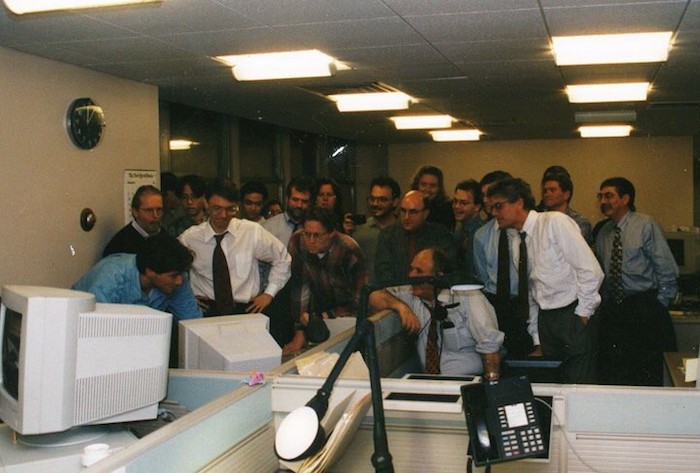
“We all had a sense that something important was happening, but at the time there were actually very few users. So it was a bet on people getting online and buying more PCs.”
“There are more black men in prison than college.” “A dollar spent in the black community stays there for only six hours.” A project at Howard University aims to dispel oft-repeated myths.