Archives: 2019

“The right approach is almost always giving up the illusion of control funders think they have and trusting that people closest to the work know what’s best.”
“If people have broadband and can access digital news — which is still not a given here in the state — thinking that news can come from a digital outlet is something new to a lot in the state.”
“I believe that if you’re producing journalism of value, there is no reason to expect that consumers wouldn’t be prepared, in some way, to support that — potentially to pay for it. And that’s probably, ultimately, true of regional and local journalism as well as national and international journalism.”
And what lessons can the rest of the industry draw from the Times’ outsized success?
“If it’s half of what we think it could be, then everyone here is going to reach more people with this subject of such critical importance here.”
Plus: Big advertisers ban YouTube (not over vaccines), the National Cancer Institute wonders how to respond to health misinformation, and how to fill a data void.
Also: Drudge Report readers are some of longform’s biggest fans, Instagram users are worried about their credit limit, and Facebook users would love more stories about pregnancy, please.
“Getting things on air will reach the audience you’re looking to reach. Getting things online is important so people can find the work later.”
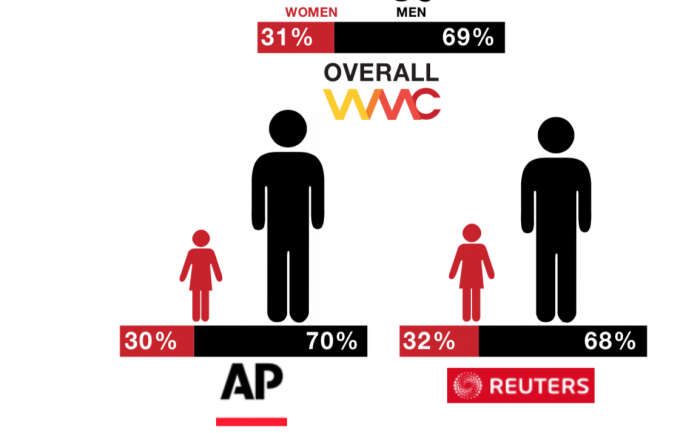
“The media is in a state of great disruption, but despite all the change, one thing remains the same: fewer women report the news than men.”
“The idea that you would collaborate with your competitor when you’re fighting for ratings is anathema to broadcasters.” But it may be a key part of how local news remains sustainable.
Exclusive podcasts, tightened paywalls, and just plain asking each played a part.
Texting “seemed like a way to allow people to pare the constant stream of news down to just what mattered to them the most.”
Facebook acts like “digital gangsters,” “Mark Zuckerberg has shown contempt” toward governments, and the company’s “deliberate” strategy was to send uninformed executives to answer Parliament’s questions.
Plus: The U.K. wants to open up funding for independent audio, Newt Gingrich gets his own World, and a new show about being a working mother.
Among the grantees: The American Journalism Project gets $20 million, Reporters Committee for Freedom of the Press gets $10 million, and The News Literacy Project gets $5 million. And there’s more, lots more.