Archives: 2017

In Indonesia, 58 percent of mobile devices are running adblockers. In the United States: 1 percent.
“I think people are craving intimacy, and the honesty of a format in which journalists talk not just at them about the story, but are grappling with it in real time and are talking about the process they went through.”
The site’s traffic is now nearly 20 percent higher than it was part of The Boston Globe. “What’s happened to Crux demonstrates that it is possible to sustain a niche news platform with a kind of for-profit and nonprofit model.”
Plus: iHeartRadio digs deeper into on-demand audio, Gimlet deals with another cancellation, and even a small public radio station is finding success in true-crime podcasts.
The decline of print may mean it’s harder to reach the Times audience at the breakfast table, but The Daily aims to reach commuters heading into work.
“Somebody asked me, ‘Whose market share are you trying to steal?’ That’s not really how we’re thinking about this.”
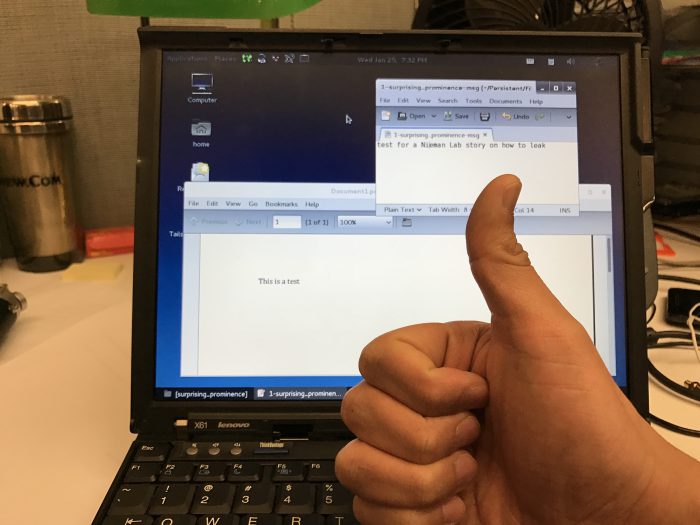
One quick download and a codename: If I can use SecureDrop, you can do it too.
The Carnegie Commission on Educational Television’s 1967 report established the framework for the modern system of public television and radio — and prompted the first political fights over its future.
“The problem with the current model for investigative reporting is that it depends on mainstream media for distribution. What that really means is that we’re putting ourselves on a burning platform.”
Journalists and publishers need to breathe new life into the social contract with readers: The audience holds the media accountable, the media holds the powerful accountable.
From preferential tax treatment for Canadian publishers to a more focused CBC, “The Shattered Mirror” aims to support journalism in a country where the news industry is on its heels.
Its latest international expansion targets an English-speaking country whose native newspapers have struggled — but whose citizens haven’t been notably keen on paying for online news.
The site, cofounded by a Washington Post alum, is targeting an educated, upmarket audience of women on smartphones.
“The challenge for journalists now is to show how we have done our work. The audience needs to have it at their fingertips so they don’t need to look too deeply for it — it’s right there for them.”